
When Women Go the Distance, Conservation Wins
How Her Planet Earth crossed mountains, weathered storms, and raised over USD 60,000 for South Africa’s frontline women rangers
At altitude, clarity has a way of arriving uninvited.
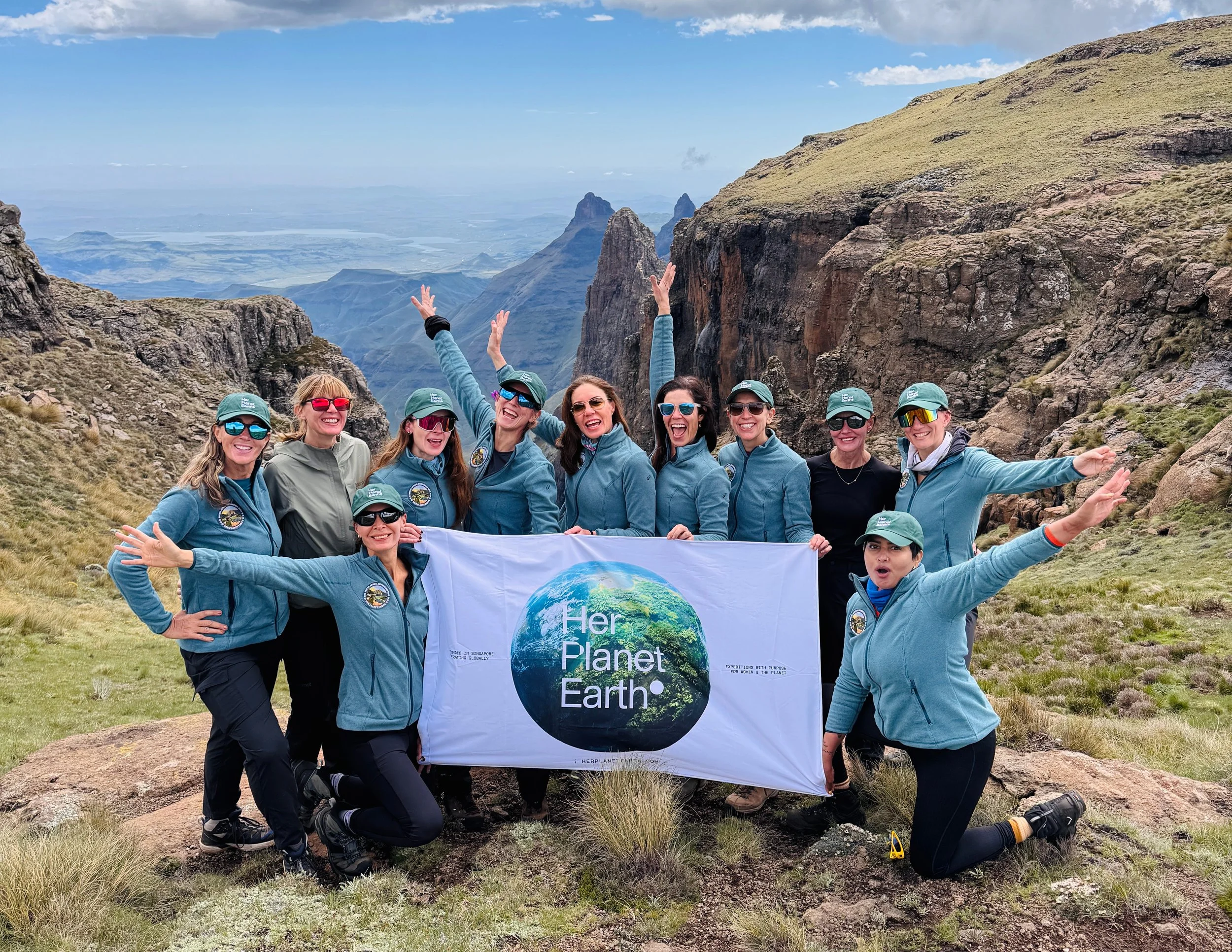
In South Africa’s Drakensberg Mountains - where the land rises sharply to between 3,000 and 4,000 metres and the weather can turn without warning - a team of eleven women moved forward step by step, kilometre by kilometre, across 100 kilometres of exposed terrain. Gale-force winds tore across ridge-lines. Hail swept open plateaus. Cold rain fell for hours at a time. Nights dropped hard in temperature. Visibility vanished, then returned just as quickly.
This was not a symbolic journey. It was an unvarnished one.
The 2025 Drakensberg–Kruger Expedition, led by Her Planet Earth, resulted in over USD 60,000 raised for one of Africa’s most effective and quietly radical conservation forces: the Black Mambas, supported through Helping Rhinos.
A different kind of expedition
Her Planet Earth is known for a distinctive model of impact. Rather than separating fundraising from experience, the organisation brings women into physically demanding environments - deserts, mountains, polar regions - and integrates fundraising into the journey, channelling support to women-led initiatives working on the frontlines of climate and conservation.
The logic is simple, but powerful: when people push their physical limits in service of something larger than themselves, the impact flows both ways.
For the Drakensberg expedition, the team brought together a team of women from across continents, cultures, and professions. We trained for months. We fundraised through our own networks. And then we showed up to do the work - not as tourists, but as participants in a shared purpose.
Our destination was not just geographic. It was moral.
An expedition without buffers
At this altitude, the margin for comfort narrows quickly. A few members of the team struggled with nausea and the effects of thin air. The cold brought sharp muscle pain as bodies seized under prolonged exposure. And because of the remoteness of the route, there was no land or animal support - no vehicles, no fallback infrastructure.
There was certainly no glamping.
We carried what we needed. We slept in basic cold camps. Conditions were rough, simple, and unforgiving - the kind of environment that doesn’t negotiate, only reveals.
Still, the team moved forward.
We were also fortunate to be led by our expedition leader, Zee Ndaba, a Zulu community leader and professional guide whose presence shaped the entire journey. In unpredictable mountain weather, she stayed calm, precise, and quietly commanding, reading the terrain and the team with the kind of confidence you can’t teach. When conditions turned, Zee didn’t just guide our route, she guided our mindset. We were lucky to have her.
Why the Black Mambas matter
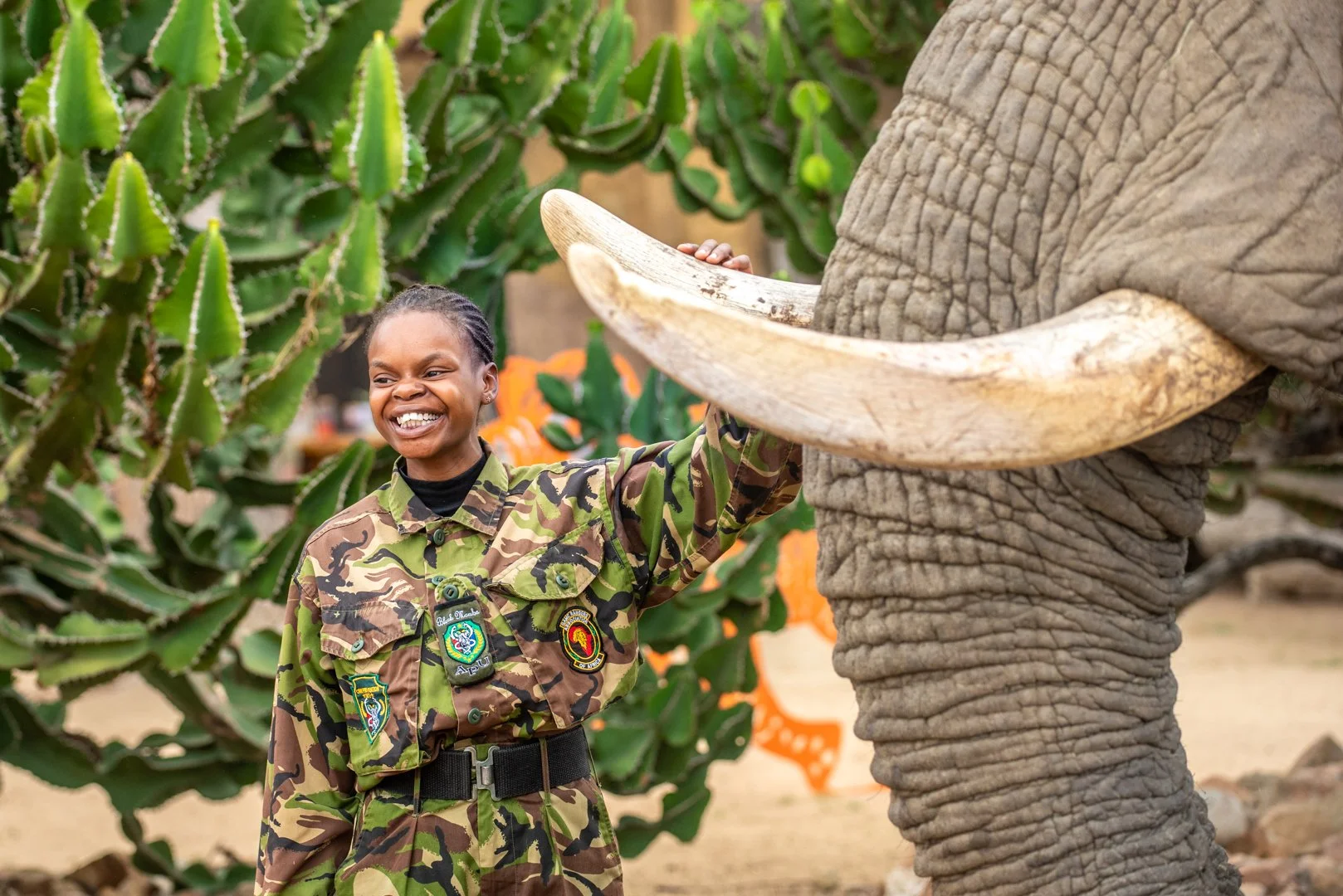
The Black Mambas patrol more than 20,000 hectares of the Olifants West Nature Reserve in the Greater Kruger National Park region - one of the epicentres of the global rhino poaching crisis.
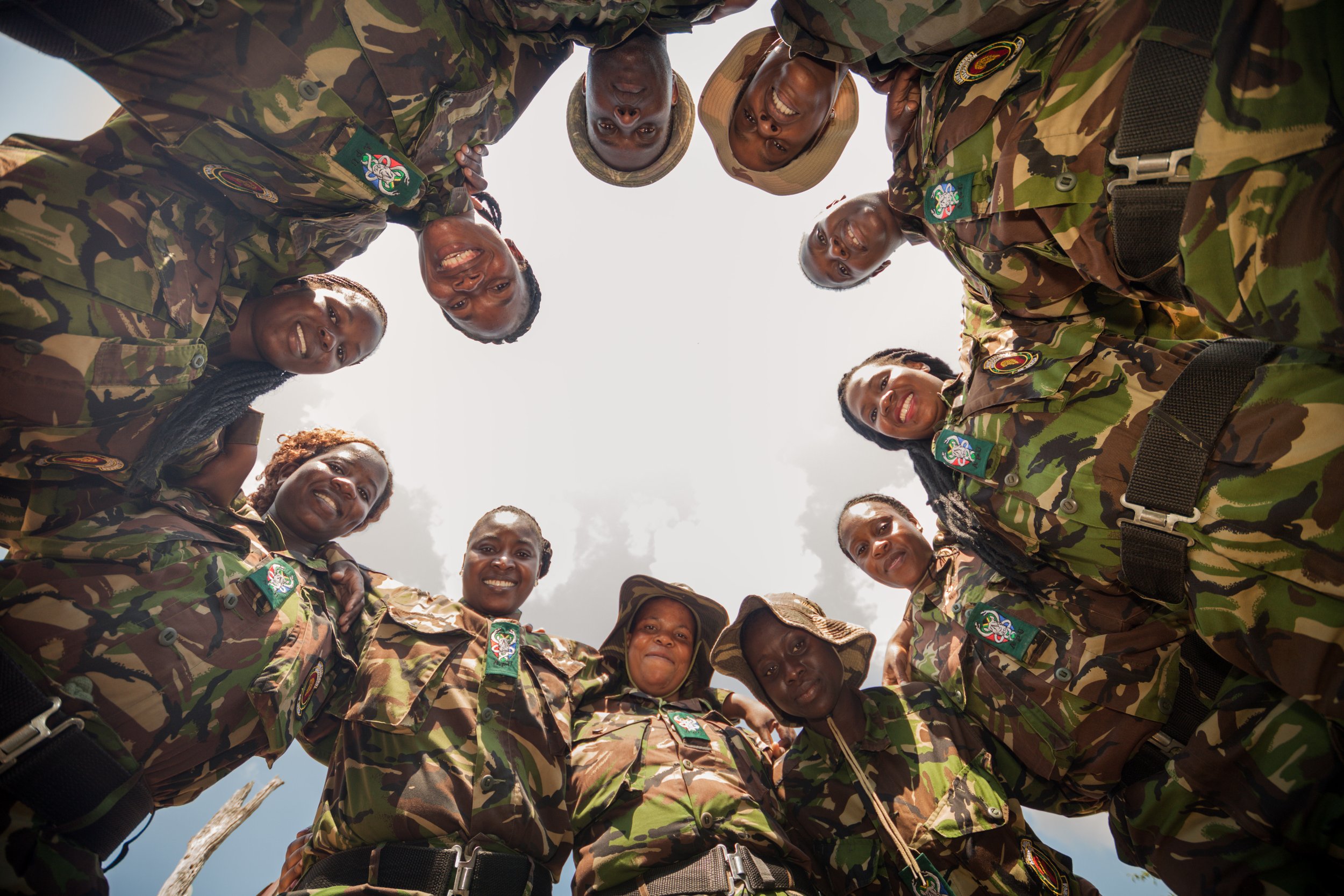
They are the world’s first all-female anti-poaching unit. They are unarmed. And they are profoundly effective.
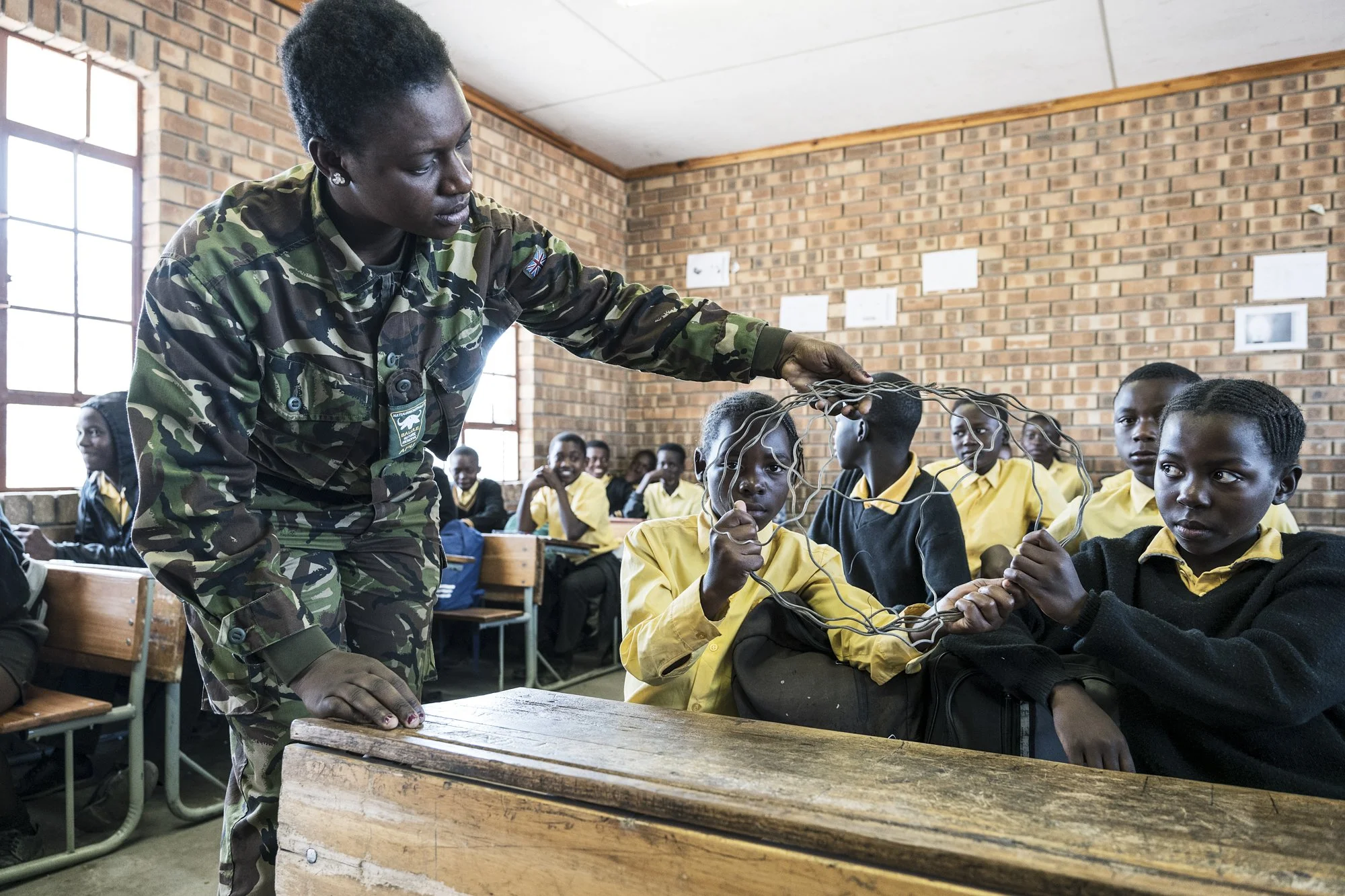
Instead of rifles, they carry radios. Instead of force, they rely on vigilance, intelligence, education, and trust. Their work includes daily patrols, snare removal, environmental education through the Bush Babies program, and community outreach that addresses the root drivers of poaching.
What makes them exceptional is not only what they do, but where they come from. Many of the women are from communities historically targeted by poaching syndicates. They know the terrain, the pressures, and the consequences. And they have chosen protection over extraction.
That choice has changed the conservation conversation globally.
Where the funds go
The USD 60,593 raised through the Her Planet Earth expedition will directly support:
Expanded snare removal and anti-poaching patrols
Training and upskilling for women rangers
The Bush Babies environmental education programme
Community outreach to reduce human-wildlife conflict
Equipment, facilities, and welfare support for rangers
These are not abstract outcomes. They are practical interventions that save lives - human and animal alike.
What the mountains reveal
Crossing the Drakensberg is not metaphor-friendly terrain. The mountains do not respond to intention. They respond to preparation, humility, and persistence.
Day after day, the team moved through weather systems that tested both physical endurance and mental resolve. Boots stayed wet. Energy waned. Fatigue set in. And still, the group advanced.
It would be easy to frame this as heroism. But what the expedition really revealed was contrast.
The women protecting Africa’s wildlife do this work every day - without headlines, without applause, and without the option to opt out when conditions turn hard.
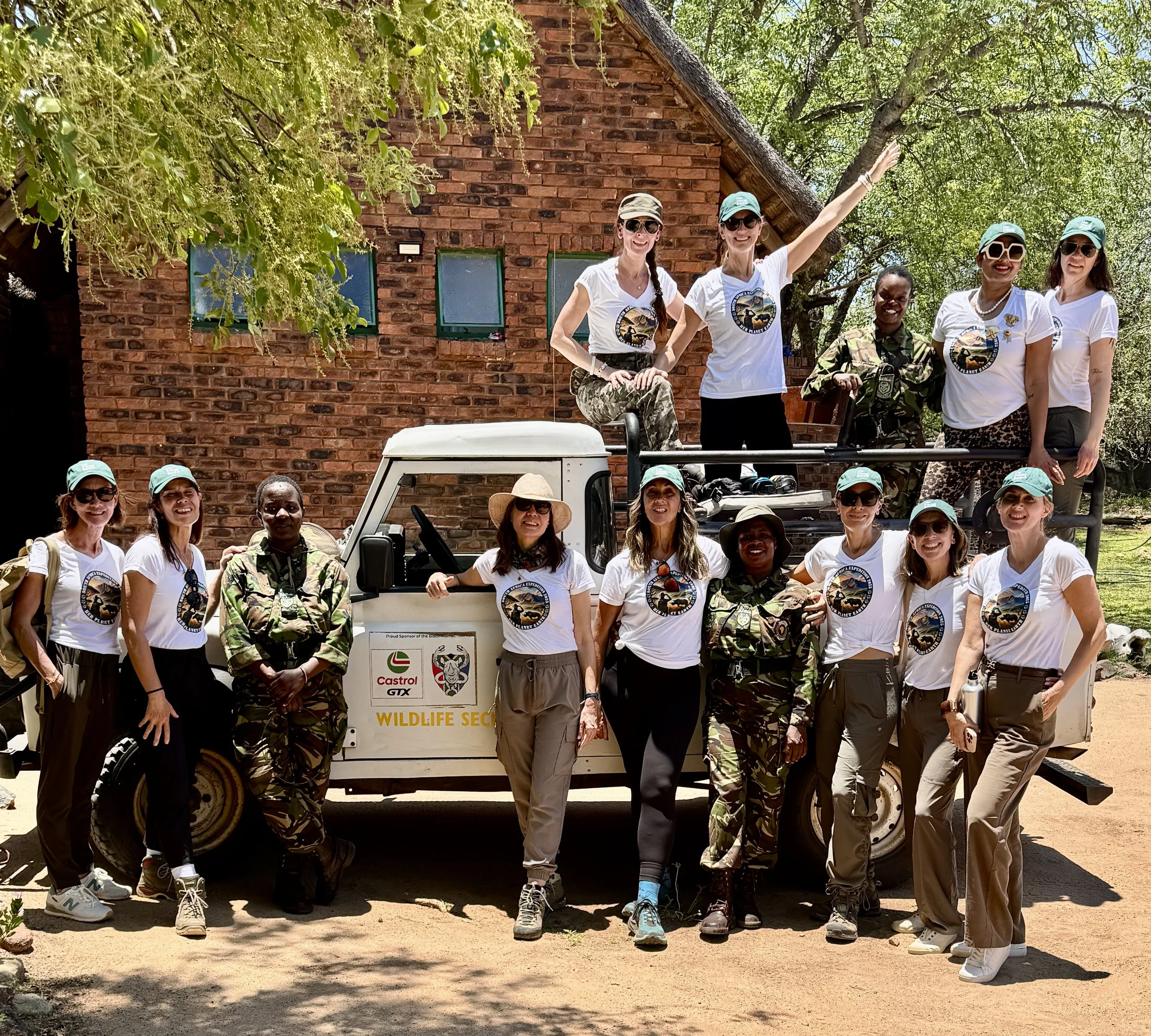
Meeting the Black Mambas after the expedition sharpened that understanding.
Their courage is not episodic. It is sustained. Their leadership is not performative. It is practiced daily. And their commitment to the land is rooted not in abstraction, but in belonging.
A broader lesson in leadership
The fight against poaching cannot be won through force alone. It requires trust, education, and a long-term cultural shift - precisely the approach the Black Mambas embody.
They remind us that conservation is not only a scientific challenge, but a social one. That leadership does not always carry weapons. And that when women lead - particularly women from within affected communities - change becomes not just possible, but durable.
Her Planet Earth’s expedition model recognises this truth. By linking physical challenge directly to frontline impact, it creates a loop of empathy, agency, and investment.
The journey across the Drakensberg brought participants closer to the land. Time with the Black Mambas brought us closer to its heart.
The work ahead
Her Planet Earth will continue to run expeditions, impact journeys, and fundraising initiatives that channel capital and attention toward women protecting ecosystems, communities, and futures.
Because protecting the planet is not only about preserving nature.
It is about uplifting the women who defend it - often quietly, often at great personal cost, and often without recognition.
And if you’re willing to step beyond your comfort zone and turn that effort into funding for women on the frontlines of climate change, we invite you to join us.
If you’re willing to step beyond your comfort zone and channel that commitment into raising funds for women on the frontlines of climate change, we invite you to join our movement.
If you’d like to support the incredible Black Mambas and help protect wildlife on the frontlines, we’d love to welcome your contribution. You can donate directly via our team’s JustGiving page here.
