Her Planet Earth Completes Landmark All-Female North Atlantic Sailing Crossing
15 women sail 554 nautical miles from Iceland to the Faroe Islands along a historic North Atlantic passage, facing powerful winds, cold temperatures and heavy seas while raising funds for women-led climate resilience initiatives in Fiji
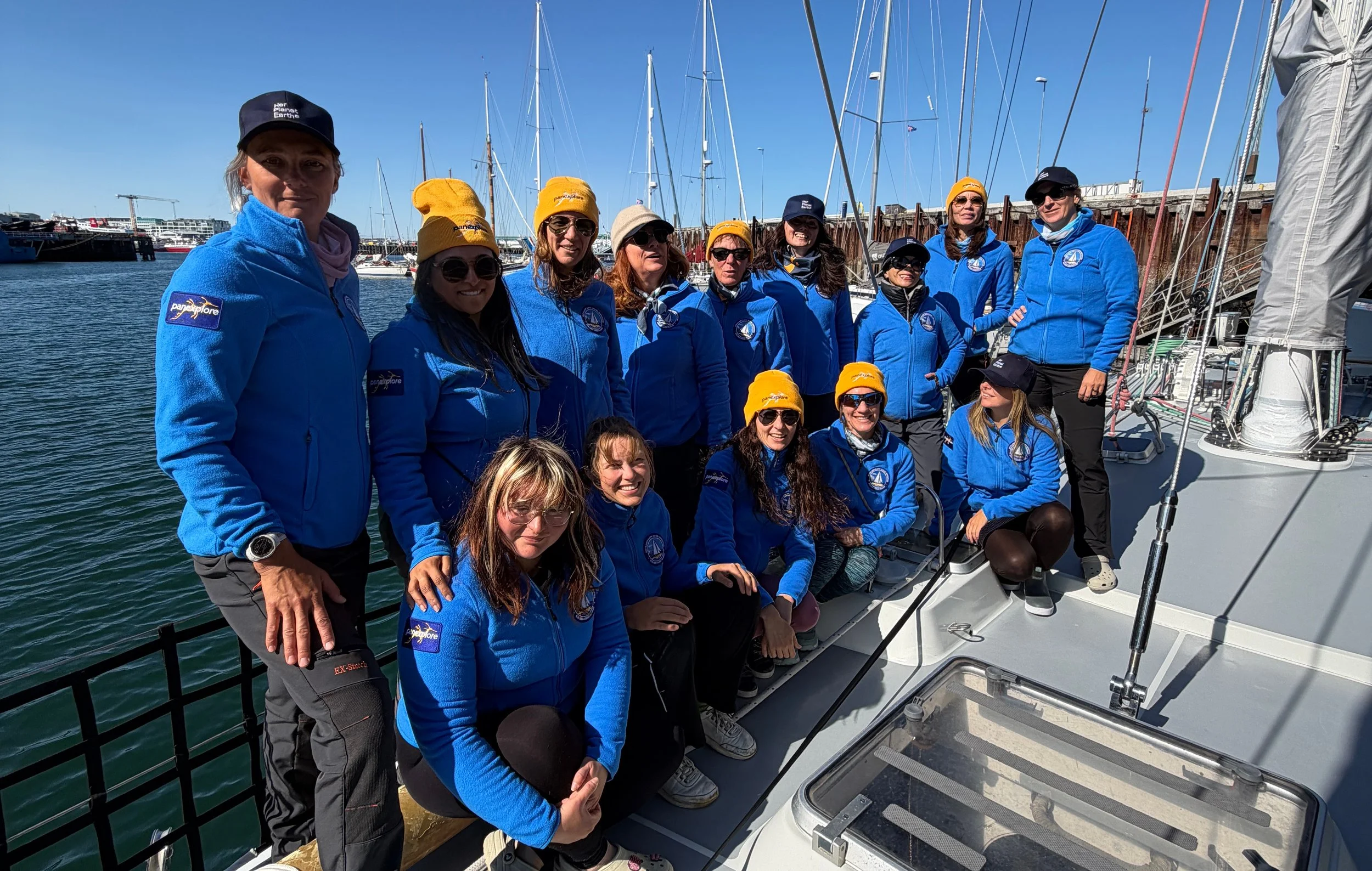
SINGAPORE / TÓRSHAVN, FAROE ISLANDS - August 2026 - Fifteen women from around the world have completed a 554-nautical-mile North Atlantic sailing passage from Iceland to the Faroe Islands with Her Planet Earth and expedition sailing partner Panexplore, in what is believed to be the first all-female team to complete this particular route.
Sailing aboard the expedition yacht SV Sea Dragon from 15-21 August 2026, the team crossed waters historically navigated by Norse seafarers between Iceland and the Faroe Islands. The crossing marked Her Planet Earth’s 19th global expedition and its first true open-ocean sailing passage, while supporting a US$60,000 campaign for women-led climate resilience initiatives in Fiji.
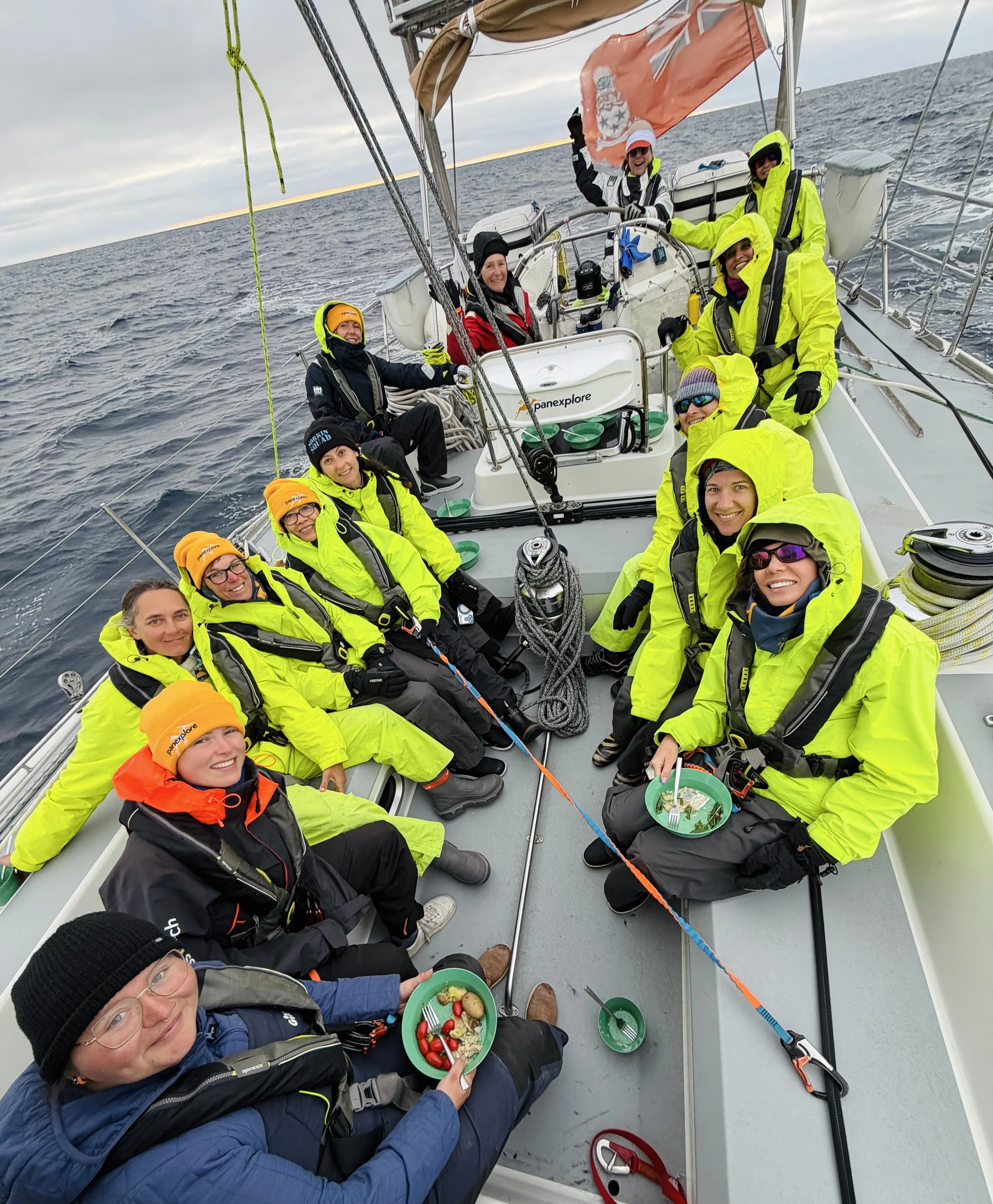
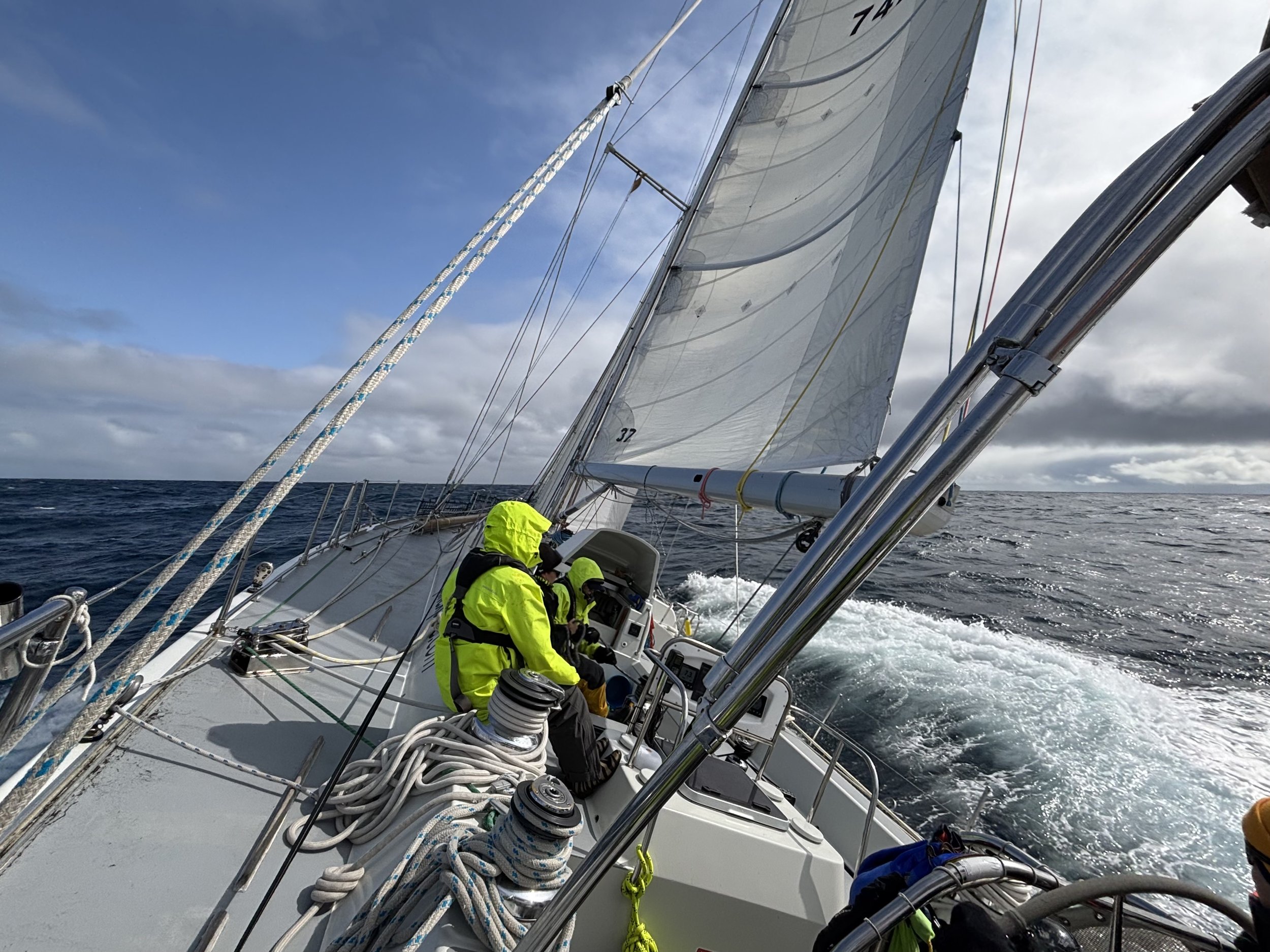
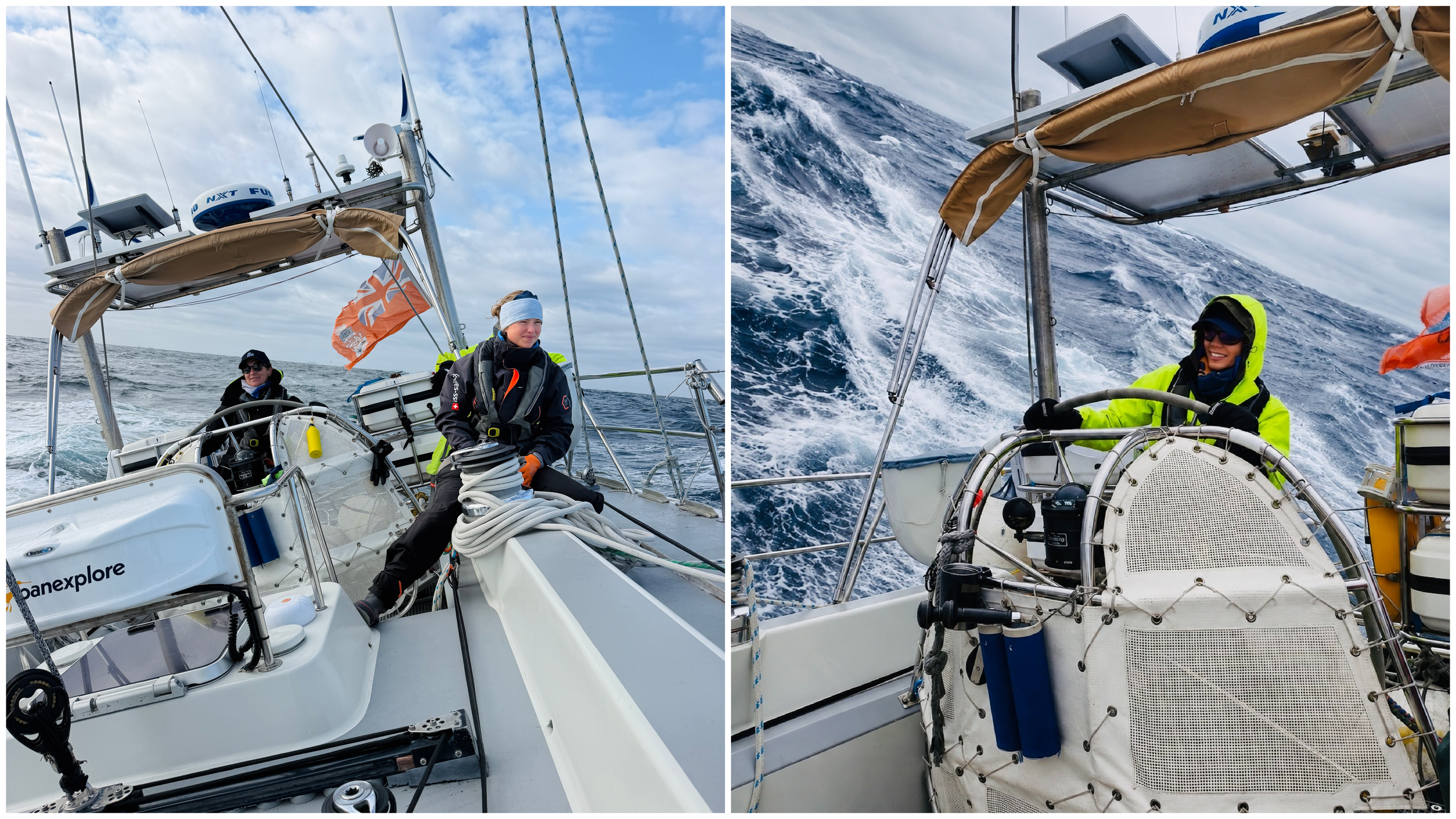
The women faced powerful winds, cold temperatures, heavy seas and significant swells, with Sea Dragon at times heeling at approximately 45 degrees. Far from being passengers, they operated as a working offshore crew - helming the yacht, navigating, handling sails, cooking, cleaning and maintaining six-hour watch rotations around the clock.
For Christine Amour-Levar, Founder of Her Planet Earth, who has led and participated in expeditions across some of the world’s most extreme environments, the North Atlantic presented a very different kind of challenge.
“I have been fortunate to experience some physically demanding expeditions over the years, but this was a different kind of hard. You cannot negotiate with the North Atlantic. You cannot control the wind, the waves or the weather. You can only control how you respond.”
A Working Crew, Not Passengers
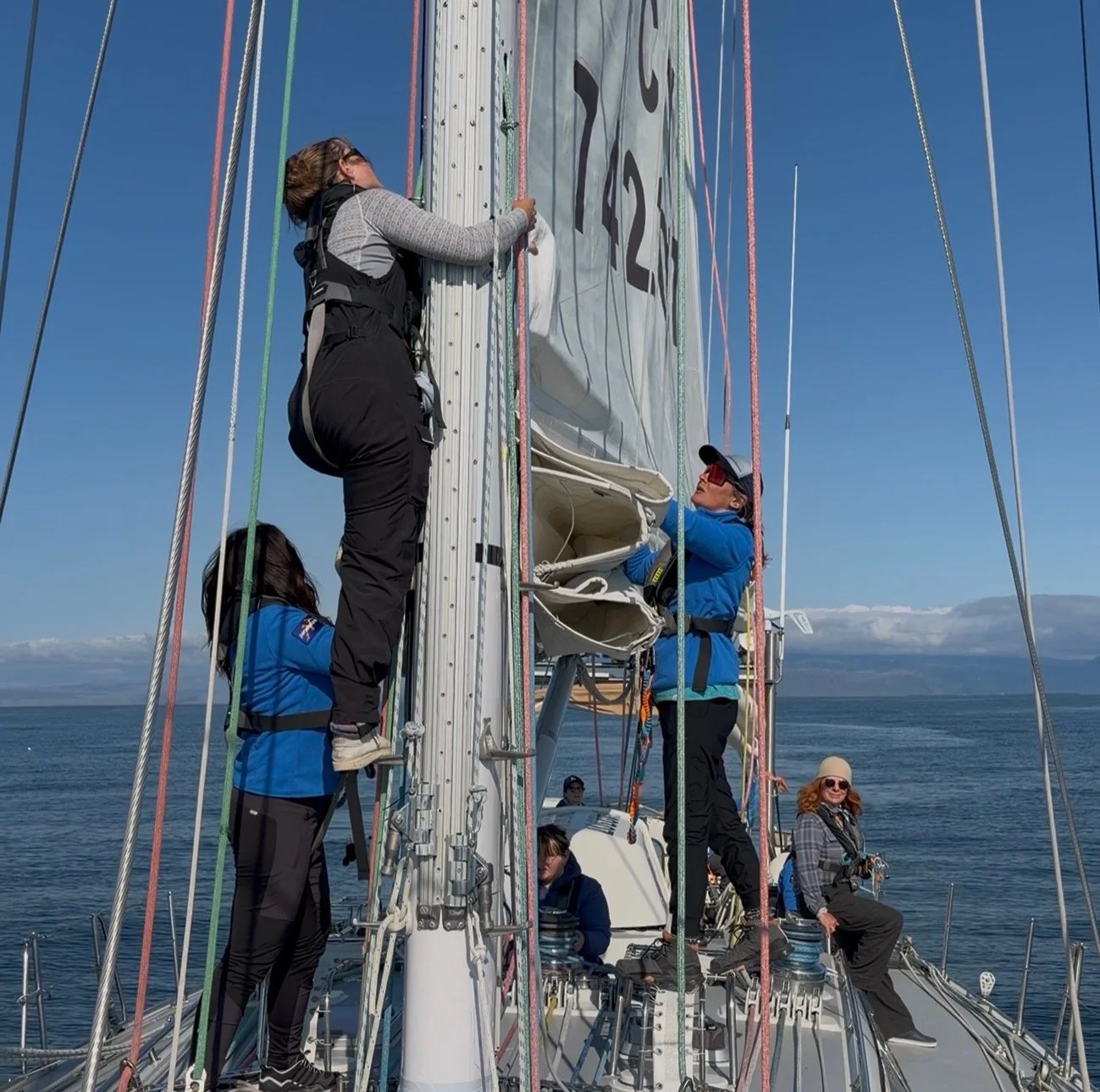
Before setting out into the open Atlantic, the team underwent safety and sailing preparation, including man-overboard drills, navigation, watch systems and the practical skills required to function as a cohesive offshore crew.
The expedition was supported by an experienced female offshore sailing leadership team and led by Sandra Marichal, Business Manager of Panexplore and a Franco-British offshore sailor with more than 40,000 nautical miles of sailing experience.
“The North Atlantic demands respect,” said Marichal. “Conditions can change very quickly, and an offshore passage like this requires every person onboard to contribute. What impressed me most was how the women adapted - learning quickly, supporting one another and continuing to fulfil their responsibilities even when conditions became physically and mentally demanding.”
The journey began in Reykjavík before taking the team to Iceland’s spectacular Westman Islands. From there, Sea Dragon turned east towards the Faroe Islands and the open North Atlantic.
Once offshore, life revolved around the watch system. Regardless of weather, exhaustion or seasickness, crew members had to report for duty and take responsibility for the safe operation of the yacht.
“We were not passengers. We were crew, and we depended completely on one another,” said Amour-Levar.
“Every six hours, regardless of how tired, cold or seasick we felt, it was time to report for watch. Sailing in conditions like these strips leadership back to its fundamentals: stay calm, adapt quickly, communicate clearly, look after one another and keep showing up.”
For many of the women, the crossing represented their first experience of sustained offshore sailing.
“Watching the team grow in confidence and capability over the course of the passage was extraordinary,” added Skipper Jojo Pickering. “They stepped fully into their roles as crew, trusted the process and trusted one another. Offshore sailing exposes very quickly how important communication, resilience and teamwork really are.”
Alongside the hardship came moments of extraordinary beauty. The team encountered whales, dolphins and an orca against the vast horizons and isolation of the North Atlantic.
“There were moments when simply getting dressed or moving around the boat felt like an expedition in itself,” said Amour-Levar. “But alongside the discomfort came extraordinary camaraderie - laughter in ridiculous circumstances, friendships forged through adversity and an incredible sense of what becomes possible when women take on something genuinely difficult together.”
A Pioneering All-Female Expedition
The expedition brought together 15 women of different nationalities, professions and backgrounds, united by a willingness to step beyond the familiar and take on one of Her Planet Earth's most technically demanding expeditions to date.
Offshore sailing has historically been a male-dominated field. Throughout the crossing, the women took responsibility across every aspect of life at sea - as helmswomen, navigators, watchkeepers, decision-makers and crew.
The North Atlantic crossing marked Her Planet Earth's 19th global expedition and its first true open-ocean sailing crossing.
Since its founding in Singapore in 2017, Her Planet Earth has brought teams of women together for expeditions across deserts, mountains, polar environments, forests, remote communities and oceans, using physical challenge as a platform for environmental advocacy, women's empowerment and tangible impact.
Sailing for Something Bigger
Beyond the physical achievement, the expedition formed part of Her Planet Earth’s wider 2026 campaign to raise US$60,000 for women-led grassroots climate and conservation initiatives in Fiji, managed by Conservation International.
The funding will support women in coastal communities working across mangrove conservation and sustainable seaweed farming, strengthening livelihoods while helping to protect and restore the marine and coastal ecosystems on which their communities depend.
Mangroves play a critical role in coastal resilience, helping protect shorelines, providing habitat for marine life and storing significant amounts of carbon. Seaweed farming can meanwhile create nature-positive livelihood opportunities for women while reducing pressure on other marine resources.
The initiatives recognise women not simply as beneficiaries of climate action, but as leaders and custodians of the ecosystems on which their families and communities depend.
Connecting an extreme expedition across the North Atlantic with women building climate resilience in the Pacific reflects a principle at the heart of Her Planet Earth: women’s empowerment and environmental protection are not separate agendas - they are deeply interconnected.
“Our expeditions have never been about adventure for adventure’s sake,” said Amour-Levar.
“We use these journeys to tell stories, bring people together and direct attention and resources towards women and communities protecting some of the ecosystems upon which all of us depend. The expedition may take place thousands of kilometres away, but the purpose is always much bigger than the journey itself.”
The US$60,000 campaign forms part of Her Planet Earth’s broader commitment to supporting grassroots solutions that combine environmental restoration, climate resilience and women’s economic empowerment.
Leadership When Control Disappears
For Amour-Levar, the crossing also reinforced a lesson that has shaped many of Her Planet Earth’s expeditions: leadership often becomes clearest when certainty and control disappear.
“On land, particularly in our professional lives, we can convince ourselves that good leadership means having the answers and being in control,” she said. “At sea, that illusion disappears very quickly. You learn to read what is happening around you, adapt, ask for help, trust the people beside you and keep moving forward even when circumstances are uncomfortable or uncertain.”
After days at sea, Sea Dragon and her crew arrived safely in the Faroe Islands - exhausted, bruised and immensely proud of what they had achieved together.
“I came away with a profound sense of gratitude and enormous pride in this pioneering group of women,” said Amour-Levar. “None of us could have done this alone. That, for me, was perhaps the most powerful lesson of the North Atlantic: courage matters, but so do trust, humility, adaptability and the willingness to rely on one another.”
The North Atlantic expedition was undertaken in partnership with Panexplore aboard SV Sea Dragon, whose experienced offshore sailing team supported the Her Planet Earth crew throughout the crossing from Iceland to the Faroe Islands.environmental change, ensuring they have the resources, skills and opportunities not only to adapt, but to thrive and lead.
About Her Planet Earth
Founded in 2017 and headquartered in Singapore, Her Planet Earth is a non-profit organisation and global women’s advocacy movement working at the intersection of female empowerment and environmental conservation.
Through bold, self-funded expeditions to some of the world’s most remote and environmentally significant regions - from the Arctic and Antarctic to deserts, mountains, forests and oceans - the organisation raises awareness and funds for initiatives strengthening climate resilience, biodiversity conservation and sustainable livelihoods.
Her Planet Earth brings together women from diverse cultures, professions and stages of life, using adventure as a platform for advocacy, storytelling and tangible environmental and social impact.
Since its founding, the organisation has supported initiatives spanning wildlife conservation, regenerative agriculture, coral reef restoration, reforestation, mangrove conservation, seaweed farming and community-led livelihood development around the world.
Each programme is designed to strengthen the resilience of women and communities on the frontlines of environmental change, ensuring they have the resources, skills and opportunities not only to adapt, but to thrive and lead.
About Conservation International
Conservation International protects nature for the benefit of humanity. Through science, policy, fieldwork and finance, we spotlight and secure the most important places in nature for the climate, for biodiversity and for people. With offices in 30 countries and projects in more than 100 countries, Conservation International partners with governments, companies, civil society, Indigenous peoples and local communities to help people and nature thrive together.
Conservation International works with communities, industry and the Government of Fiji to protect forests, reefs, fisheries, and freshwater through a ridge-to-reef approach. Its work includes the Sovi Basin, Fiji’s largest terrestrial protected area, and the Lau Seascape, which covers about 8% of Fiji’s EEZ.
Conservation International partners with women-led seaweed cooperatives to strengthen income generation, improve processing capabilities, and expand market access - positioning women as leaders of regenerative, community-based economies.
Visit Conservation.org to learn more, and follow us on ConservationNews, Facebook, Twitter, TikTok, Instagram and YouTube.
The Team
The North Atlantic expedition brought together 15 women from diverse nationalities, professional backgrounds and stages of life, united by a shared willingness to step beyond the familiar and into one of the world’s most demanding natural environments.
Throughout the crossing, every participant played an active role onboard, contributing as part of the working crew and supporting one another through the physical, mental and emotional challenges of life at sea.
Together, they embody the spirit of Her Planet Earth - women from different backgrounds choosing to do something extraordinary in service of a larger purpose.
Meet the team and read their full profiles here.
Media Enquiries
Her Planet Earth
connect@herplanetearth.com